
Flux cleaning
Removing Baked-On Flux from Reflow Oven Parts in a 10-Minute Soak (SMT Plant in Thailand)
A reflow oven heats the board to melt the solder. The flux in the solder paste vapourises in the heat, cools inside the oven and bakes onto the rails, fingers, plates and exhaust parts. Left alone, hardened brown flux drops onto boards or catches the conveyor, causing defects and stoppages.
This case comes from the SMT line of a Japanese-owned automotive parts plant in Thailand. The request: "We want to do more of the reflow oven cleaning in-house, and we want to review the price and performance of the cleaner."
The situation when they came to us
- Parts: removable reflow oven parts (conveyor rails, fingers, plates)
- Soil: baked flux mixed with grease from the conveyor, brown to black
- Background: part of the cleaning previously done by the equipment maker was to be brought in-house. Cleaning frequency and chemical purchases were expected to rise
Flux residue is hard to shift with a solvent wipe once it has hardened, and scraping scratches the parts. A soak is the right approach.
What we tested
We cleaned the customer's actual parts with the flux cleaner PCS-1015U.
| Item | Condition |
|---|---|
| Chemical | PCS-1015U diluted to about 33% (1 part cleaner : 2 parts water) |
| Method | tank soak |
| Temperature | about 60 °C (heater) |
| Time | 10 minutes |
| Finish | light wipe |
Before
After
No.1
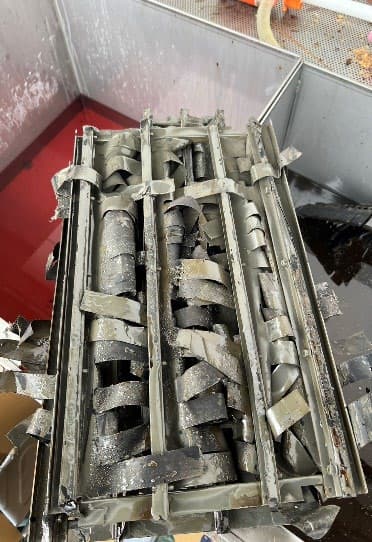
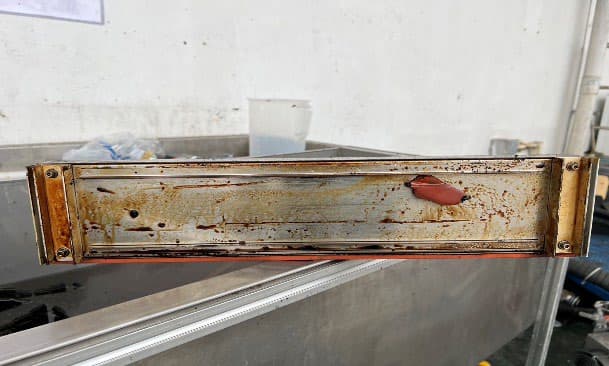
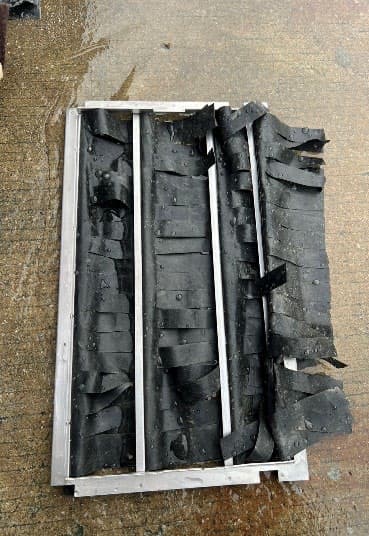
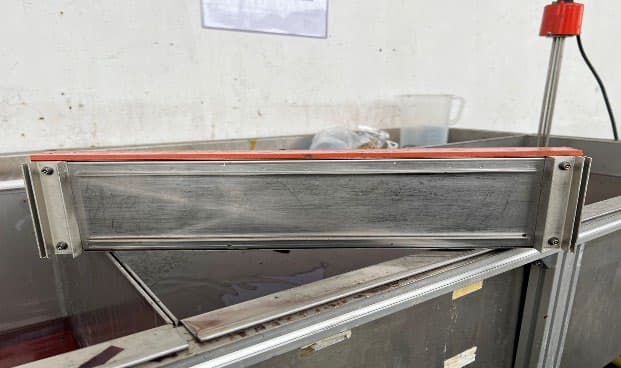
No.2
No.3
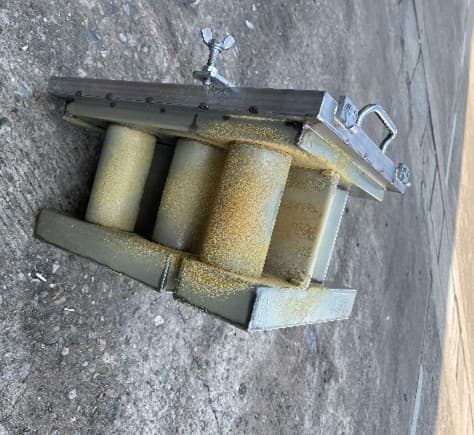
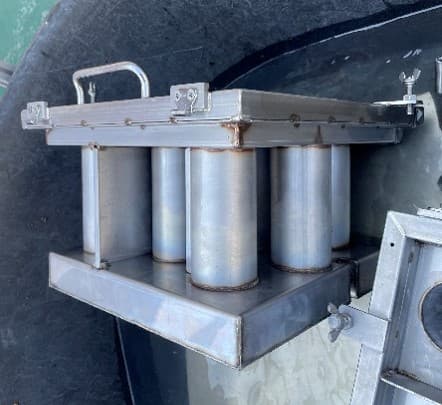
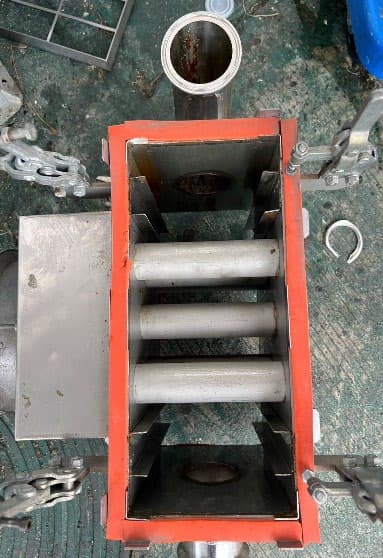
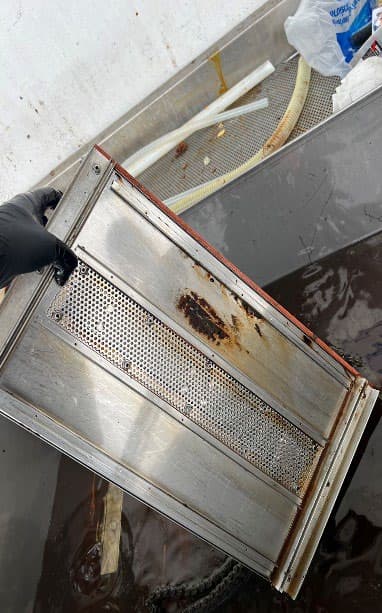
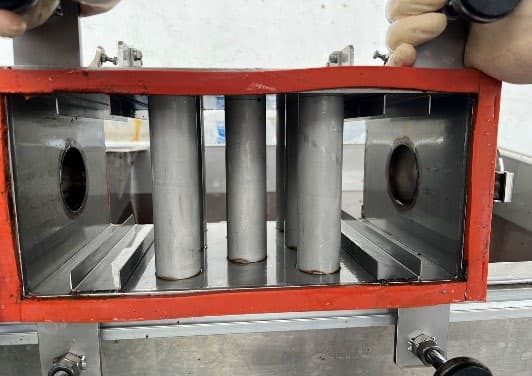
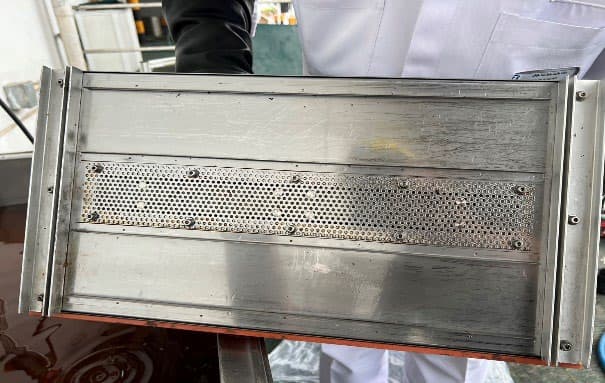
After 10 minutes the flux and grease had lifted, and a light wipe removed them. Rails and plates that were brown with baked flux came out showing bare metal.
Rule of thumb for bath replacement: when cleaning starts to take more than 40 minutes. As the bath loads up with soil, the same part takes longer. Time each cleaning and you will know when to change the bath.
Note: the standard tank-cleaning condition for PCS-1015U is 1 part cleaner : 3 parts water (about 25%), 45–50 °C, 15–30 minutes. Because the soil here was heavily baked on, we raised the concentration and temperature and shortened the time. Adjust to the degree of soiling.
Tips for in-house cleaning
- Soak what you can remove; spray what you can't
PCS-1015U works both as a tank soak and as a spray. For parts that stay in the oven, spray the cleaner at about 33%, wait 8–10 minutes, then wipe.
- Have a tank you can heat
It works at room temperature, but slowly. At 45–60 °C the residue comes off in a short time.
- Log the cleaning time
When the same part starts taking longer, change the bath. Once you know your replacement interval, chemical purchasing becomes easy to plan.
What this case shows
- Baked flux comes off more cleanly, and without scratching, by soaking in a heated bath than by scraping
- When bringing cleaning in-house, set the concentration, temperature and time with a test first; the job becomes repeatable
- Cleaning time is a practical signal for when to change the bath
FAQ
Q. Can we use it on carrier pallets and fixtures?
Yes. PCS-1015U is also used for flux cleaning of carrier pallets.
Q. What about parts we cannot remove from the oven?
Use spray cleaning: dilute to about 33%, spray, wait 8–10 minutes and wipe. No residue is left behind.
Q. Can we test it on our own parts?
Send us one or two parts. We will run a free test clean and give you a starting point for concentration, temperature and time based on your soil.
If reflow oven cleaning is taking too long, or the chemical cost is a concern, get in touch. Send us a part and we will show you the result with a free test clean.